DIY Microwave Repair: What You Can Fix Yourself
Understanding the Basics
Microwaves are essential kitchen appliances, but like any device, they can experience issues over time. Before diving into DIY repairs, it's crucial to understand the basics of microwave operation. Most problems are related to heating, the turntable, or power. Ensuring your safety is paramount, so always unplug the microwave before attempting any repairs.
Common Issues You Can Fix
Microwave Not Heating
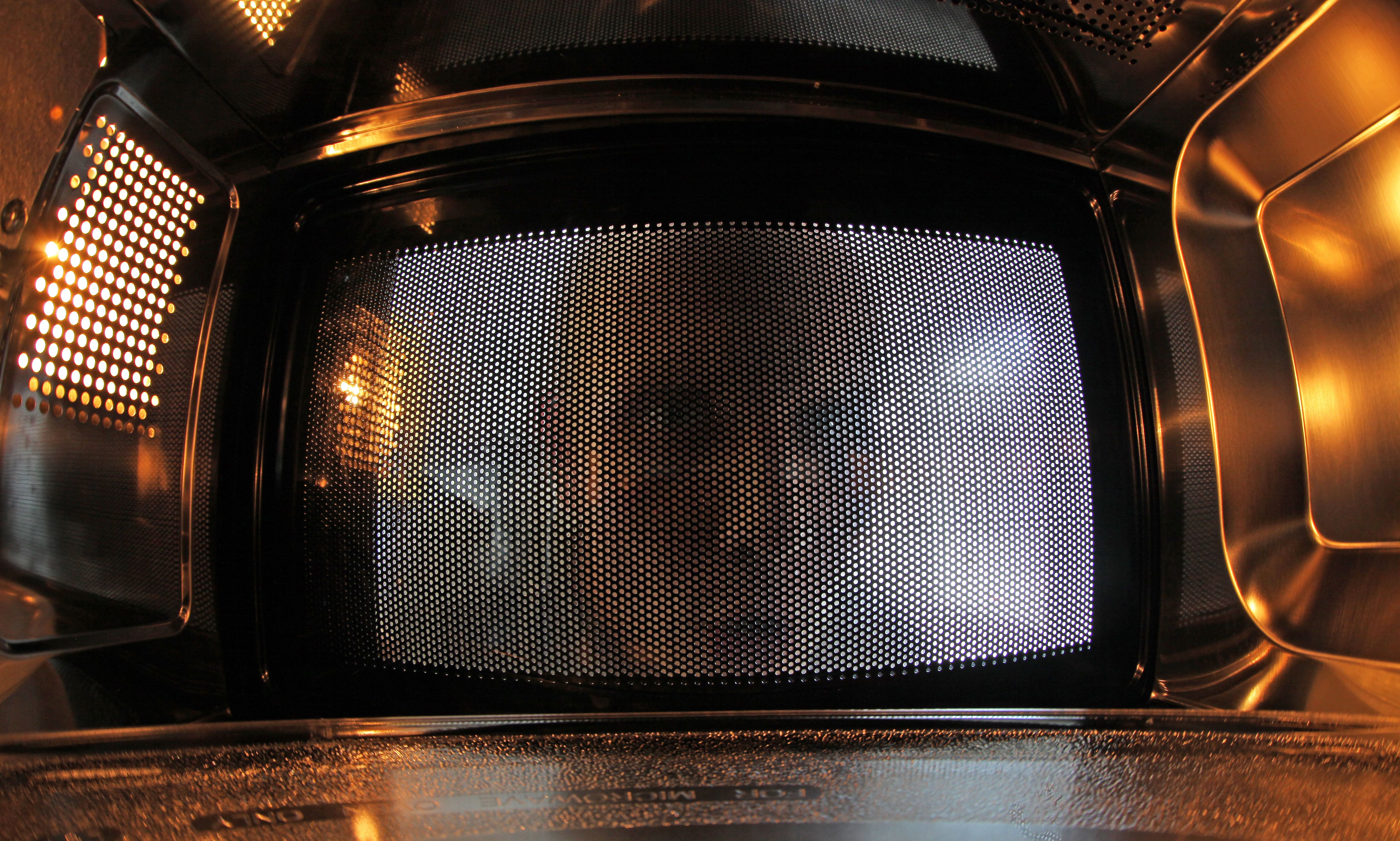
If your microwave isn't heating, the problem might be with the door switch. This component ensures the microwave only operates when the door is closed. Check the door latch for any obstructions, and ensure it clicks securely when closed. If it still doesn't work, the fuse might be blown and may need a simple replacement.
Turntable Not Rotating
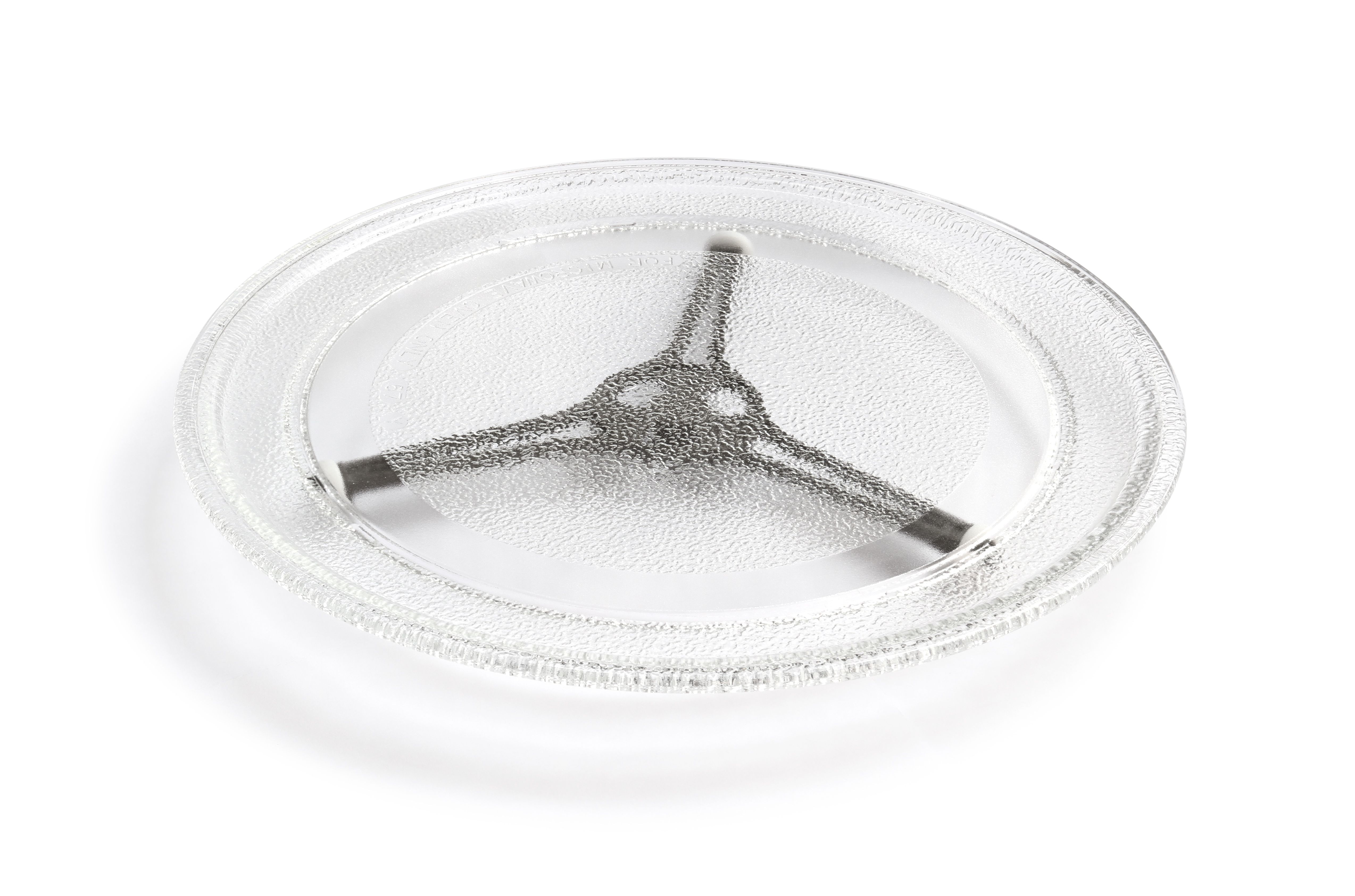
The turntable is essential for even cooking. If it's not rotating, first check if the turntable is aligned properly on the support. If alignment isn't the issue, examine the drive bushing and coupler for any damage. These are usually easy to replace, allowing you to restore functionality quickly.
Addressing Power Problems
When your microwave suddenly loses power, it could be due to a tripped circuit breaker or a blown internal fuse. Confirm that the outlet is working by testing it with another appliance. If the outlet works, the microwave's internal fuse might need replacing. Always ensure you have the correct replacement fuse to prevent further issues.
Tackling Unusual Noises
Unusual noises during operation can be unsettling. Often, these are due to a misaligned turntable or a malfunctioning motor. Inspect the turntable and its components first. If the noise persists, the motor might need lubrication or replacement. Be sure to consult your microwave's manual for specific instructions.
Cleaning and Maintenance
Regular cleaning is essential for maintaining your microwave's performance. Food particles and grease can accumulate, causing odors and potential malfunctions. Use a gentle cleaner and a soft cloth to wipe down the interior and exterior regularly. Additionally, ensure the vents are unobstructed to allow proper airflow.
When to Call a Professional
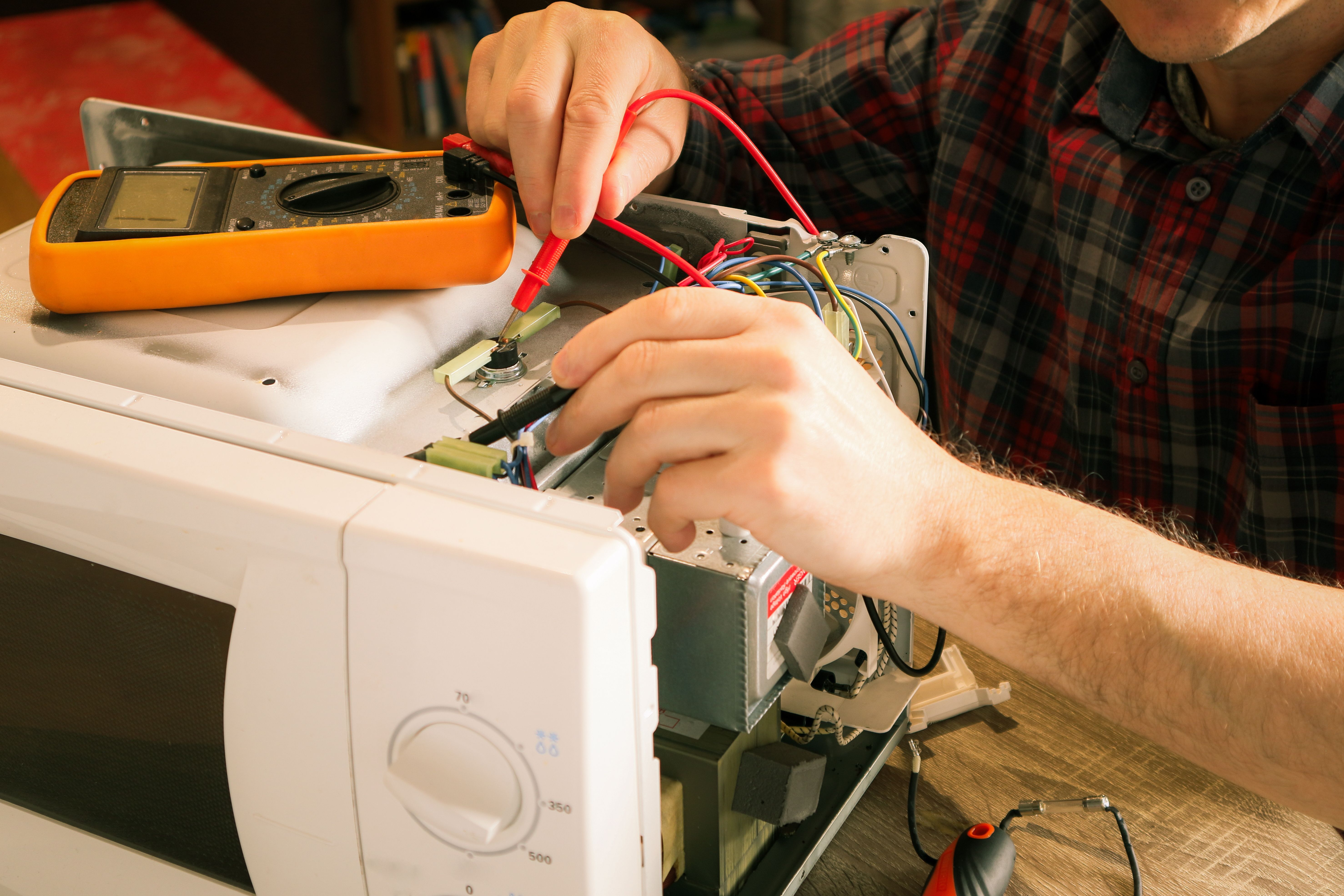
While many microwave issues are fixable at home, some require professional expertise. If you're dealing with electrical components or if the problem persists after basic troubleshooting, it's best to consult a professional. Attempting complex repairs without the necessary knowledge can be dangerous.
With these tips, you can handle many common microwave issues on your own. However, always prioritize safety and consult a professional when in doubt. Regular maintenance and timely repairs can extend the life of your microwave, keeping it in top condition for years to come.